The Monday morning dread. The Wednesday afternoon slump. The endless tide of emails and deadlines. For years, this was just the accepted rhythm of work life. But a quiet revolution is underway, led by forward-thinking corporate wellness companies that are rewriting the rules of employee well-being. This isn’t about breakroom fruit baskets and discounted gym memberships anymore. It’s a strategic shift toward building healthier, more resilient, and deeply engaged workforces—and the results are staggering.
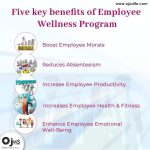
Investing in a well-designed corporate wellness program isn’t just a feel-good initiative; it’s a powerful business decision. Research shows a clear return of $2.71 for every dollar spent, driven by higher productivity, lower absenteeism, and reduced healthcare costs. It’s about creating an environment where people don’t just survive, they thrive.
Pressed for time? Here’s what you need to know about navigating the world of corporate wellness.
It’s More Than Fitness: Modern wellness is holistic, addressing mental, emotional, physical, and even financial health.
The ROI is Real: Companies see tangible benefits, including productivity boosts of up to 66% and a 56% reduction in sick days.
One Size Fits None: The best programs are tailored to your company’s unique culture, goals, and employee needs.
Technology is Key: Leading providers use apps, wearables, and gamification to drive engagement and make participation easy and fun.
Incentives Work: Employees are a staggering 33 times more likely to join in when meaningful incentives are offered.
You Have Options: The market includes all-in-one digital platforms, hands-on service providers, specialized niche solutions, and strategic consultants.
Why Corporate Wellness Is Now a Boardroom Conversation
For too long, employee wellness was relegated to a small corner of the HR department, a “nice-to-have” perk that was first on the chopping block during budget cuts. That era is over. The pandemic accelerated a fundamental shift in our understanding of work, revealing the deep connection between employee well-being and business resilience.
Today, a comprehensive wellness strategy is a core component of talent acquisition, retention, and overall performance. It’s a direct response to rising rates of burnout, stress, and disengagement. When an organization proactively supports its team’s health, it sends a powerful message: We care about you as a whole person, not just an employee.
This shift is about moving from a reactive model (treating sickness) to a proactive one (cultivating health). Companies like Virgin Pulse and Wellable are not just offering tools; they’re helping build cultures of well-being that pay dividends in loyalty, innovation, and profitability.
Navigating the Landscape: The Main Types of Corporate Wellness Companies
The wellness industry is bustling, and it can be tough to tell the players apart. Most providers fall into one of four main categories, each serving a different need. Understanding these distinctions is the first step toward finding the right partner.
All-in-One Digital Platforms & Apps
These are the tech-driven command centers of modern wellness. They typically offer a mobile app or online portal that integrates various wellness activities into a single, seamless experience. Think of them as the operating system for your company’s well-being initiatives.
What they do: Aggregate data from wearables (YuMuuv, Fitbit), host fitness and wellness challenges (Sonic Boom Wellness), provide educational content, and manage incentive programs (WorkTango).
Key Features: Gamification (points, leaderboards, badges), social connectivity, holistic content libraries (fitness, mindfulness, nutrition, financial literacy), and robust analytics dashboards for HR leaders.
Examples:Sprout focuses on measurable outcomes and real-time ROI, while MediKeeper offers a highly customizable portal used by over 70,000 companies.
On-Site and Hands-On Services
While technology is powerful, sometimes there’s no substitute for in-person support. These companies bring wellness directly to your workplace. They are ideal for organizations that want to provide tangible, high-touch services for their employees.
What they do: Conduct biometric screenings and flu shot clinics (TotalWellness Health), manage corporate fitness centers (Corporate Fitness Works, Power Wellness), offer in-person health coaching, and run wellness fairs.
Key Features: Face-to-face interaction, personalized guidance from certified professionals, and the creation of a physical wellness hub within the office.
Examples:Marathon Health sets up on-site health centers for direct care, while Wellness Coaches USA focuses on embedding coaches into the daily work routine, even joining employees for lunchtime walks.
Specialized and Niche Providers
Sometimes, your company has a very specific challenge to solve, like burnout or financial stress. Niche providers are experts in a single area of well-being, offering deep expertise and targeted solutions. As you dig deeper, you might want to Explore wellbeing companies that focus on these unique areas.
What they do: Tackle specific issues like mental health, stress management, nutrition, or even team connection through creative activities.
Key Features: Highly focused programs designed by subject-matter experts, often with scientifically-backed methodologies.
Examples:
Mental Health & Resilience:meQuilibrium offers a platform to build emotional intelligence and manage stress, while Remote Team Wellness provides live, virtual workshops on preventing burnout.
Engagement & Fun:Laughter On Call uses professional comedians to lead virtual “Happier Hour” events that build connection through shared laughter.
Financial Wellness:GoodRx offers a free prescription discount program to help employees reduce out-of-pocket medical costs.
Recognition:Caroo and Bonusly provide platforms to automate rewards and recognition, which are crucial components of overall well-being.
Strategic Wellness Consultants
If you’re not sure where to begin or want to design a truly bespoke, high-impact program, a consultant might be your best bet. These experts act as architects, helping you assess your needs, define your goals, select vendors, and measure success.
What they do: Conduct cultural assessments, analyze health data, design long-term wellness strategies, and help you prove the program’s ROI.
Key Features: A strategic, data-driven approach, vendor-agnostic advice, and deep industry expertise.
Examples:Alpha Apex Group designs custom strategies based on biometric data, while neuroscience expert Dr. Romie Mushtaq offers a program proven to improve sleep quality by 41% and reduce the impacts of burnout.
What to Look For: Choosing the Right Wellness Partner for Your Team
With so many options, how do you choose? The best partner for your organization depends on your goals, budget, and culture. Focus on these five critical factors to make a confident decision.
1. A Holistic Vision, Not Just a Fitness App
True well-being is multi-dimensional. A program that only tracks steps is missing the bigger picture. Look for providers who address the whole person, integrating modules for:
Social Health: Team-building activities, recognition platforms, volunteer opportunities.
Providers like LifeWorks and Woliba exemplify this by combining counseling, coaching, and financial services into a comprehensive platform.
2. Technology That Drives Engagement, Not Frustration
The most brilliant wellness program is useless if no one uses it. The user experience is paramount. A modern wellness platform should be intuitive, mobile-friendly, and genuinely enjoyable to use.
Key tech features to look for include:
Seamless Wearable Integration: Effortlessly syncs with devices from Fitbit, Apple, Garmin, and others.
Gamification: Uses points, challenges, and leaderboards to make healthy habits feel like a game. Vitality is a leader here, with studies showing its approach saves millions in medical costs.
Personalization: Delivers content and recommendations tailored to each employee’s interests and health goals.
3. Customization and Cultural Fit
Avoid any company offering a rigid, one-size-fits-all solution. Your wellness program should feel like a natural extension of your company culture, not a generic add-on.
A great partner will work with you to:
Align with Your Values: If your company values collaboration, the program should feature team-based challenges.
Reflect Your Demographics: A workforce of young, active employees might want different activities than one nearing retirement.
Brand the Experience: The platform and communications should use your company’s logo, colors, and tone of voice.
4. A Clear Path to Measuring ROI
How will you know if your investment is paying off? Before you sign any contract, ask a potential partner how they measure success. A top-tier provider should offer a clear analytics dashboard that tracks key metrics.
Look for the ability to measure:
Engagement: Active participation rates, challenge completion, event attendance. (Providers like Orriant and IncentFit report impressive engagement rates of 80% and 69%, respectively).
Health Outcomes: Changes in biometric data, self-reported stress levels, and health risk assessments.
Business Impact: Reductions in absenteeism, employee turnover, and healthcare claims data (where legally permissible and aggregated).
5. Credibility and Compliance are Non-Negotiable
Handling employee health data is a serious responsibility. Ensure any potential partner has iron-clad security protocols and is fully compliant with health privacy laws like HIPAA. Additionally, check the credentials of their staff. Health coaches should have relevant certifications, and clinical services should be administered by licensed professionals.
Quick-Look: Standout Corporate Wellness Providers
Here’s a snapshot of a few companies from across the spectrum to illustrate the variety of options available.
Company Name
Primary Focus
Best For…
Virgin Pulse
Gamified digital platform with a global reach
Large, distributed companies seeking a fun, challenge-based engagement tool.
TotalWellness
On-site biometric screenings & health services
Organizations focused on preventative care and collecting foundational health data.
meQuilibrium
Digital platform for resilience & stress management
Companies aiming to proactively address burnout and improve mental well-being.
Caroo
Curated employee gifting & recognition
Remote or hybrid teams looking to boost morale and celebrate key milestones.
Remote Team Wellness
Live, expert-led virtual wellness workshops
Businesses that want interactive, timely training on topics like stress and burnout.
GoodRx
Free prescription drug discount program
Any company looking for a no-cost way to lower healthcare expenses for employees.
EXOS|MediFit
Custom design of corporate fitness centers
Large enterprises investing in premium, on-site fitness facilities.
Answering Your Top Questions About Corporate Wellness
Still have questions? You’re not alone. Here are crisp answers to some of the most common queries leaders have when exploring wellness solutions. How much do corporate wellness programs cost?
Costs vary widely. Digital platforms often charge a per-employee-per-month (PEPM) fee, ranging from a few dollars to over $20, depending on the features. On-site services like health screenings or fitness center management are typically custom-quoted. The key is to compare the cost against the proven ROI in productivity and healthcare savings. How do you get employees to actually participate?
Participation hinges on three things:
Leadership Buy-in: When leaders actively participate and talk about the program, employees follow.
Meaningful Incentives: As the data shows, incentives are a game-changer. These can be gift cards, extra PTO, or premium discounts.
Ease and Relevance: The program must be easy to access (a great mobile app is a must) and offer activities that employees genuinely find interesting and valuable. Can small businesses afford a wellness program?
Absolutely. Many digital platforms are highly scalable and affordable for smaller teams. You can also start with low-cost initiatives, like subscribing to a mindfulness app like FitMind for your team or hiring a consultant like Florida Licenses & Corporations that specializes in SMBs. What’s the difference between a wellness program and a wellness platform?
Think of it this way: The program is your overall strategy—your goals, initiatives, and communication plan. The platform is the technology or tool you use to execute, manage, and track that strategy. A great partner helps you with both.
Your Next Step: Building a Healthier, More Engaged Workforce
Jumping into corporate wellness can feel overwhelming, but you don’t have to boil the ocean. The journey toward a healthier, more vibrant workplace starts with a single step. By choosing the right partner, you’re not just buying a service; you’re investing in your people—your company’s most valuable asset.
Here’s a simple path to get started:
Listen First: Before you look at vendors, survey your employees. What are their biggest wellness challenges? What kind of support would they value most? Anonymous surveys are a great way to get honest feedback.
Define Your “Why”: What is your primary goal? Is it to lower healthcare costs, reduce employee turnover, boost morale, or all of the above? A clear objective will guide your search.
Start Small and Build Momentum: You don’t need a massive, multi-faceted program on day one. Launch a pilot program—a simple steps challenge, a series of mental health webinars, or a financial literacy workshop.
Vet Your Partners: Use the criteria in this guide to create a shortlist of 2-3 potential providers. Ask for demos, check their references, and be crystal clear about how they measure success.
Launch, Learn, and Iterate: The best wellness programs evolve. Gather feedback regularly and be willing to adapt your strategy based on what’s working and what’s not.
The future of work is one where well-being is woven into the fabric of the organization. By taking a thoughtful, strategic approach, you can build a culture that not only performs better but also becomes a place where top talent truly wants to be.
I am a writer specializing in health and lifestyle, committed to delivering well-researched, engaging, and insightful content. With a keen eye for trends and a deep understanding of health, presenting and exploring topics ranging from nutrition and mental health to sustainable living. This writing is solely intended to educate, inspire, and empower readers to live a healthier, more balanced life.